
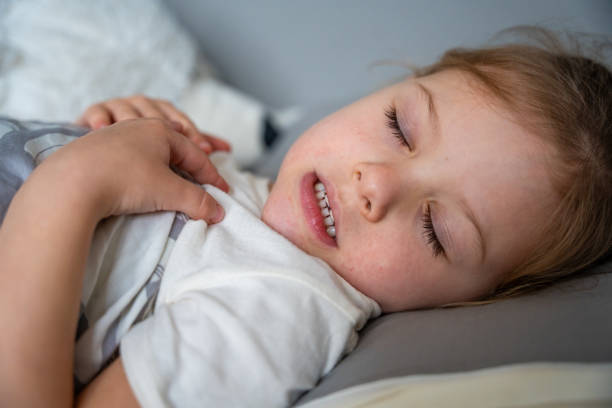
If you’ve ever stood outside your child’s bedroom and heard an unexpected scraping or crunching sound, you may have been startled to realize they were grinding their teeth. Teeth grinding during sleep, also called sleep bruxism, is relatively common in children and often comes and goes as their teeth and jaws develop.
In many cases, nighttime teeth grinding is temporary and resolves without treatment. However, persistent or forceful grinding can sometimes contribute to tooth wear, jaw muscle soreness, headaches, disrupted sleep, or concerns about bite development. It may also be connected to factors such as stress, dental changes, breathing difficulties, or certain sleep disorders.
At Great Grins Children’s Dentistry, we help Tucson parents understand what may be behind their child’s grinding and whether it needs closer attention. Below, we’ll explore common causes of pediatric bruxism, when it may be a normal part of development, which warning signs parents should watch for, and how a pediatric dentist can evaluate and manage the condition.
What Is Pediatric Bruxism?
Bruxism is the involuntary grinding, clenching, or rubbing together of the teeth. When it happens during sleep, it is known as sleep bruxism. Children usually do not realize they are doing it, and parents may only become aware of it after hearing a grinding sound from their child’s bedroom.
Bruxism can also occur during the day. Daytime bruxism more often involves clenching the jaw or holding the teeth tightly together, sometimes while a child is concentrating, feeling frustrated, or experiencing stress. Unlike nighttime grinding, daytime clenching may become easier to notice once a child is made aware of the habit.
Occasional grinding does not necessarily mean something is wrong. Children’s mouths change considerably as baby teeth fall out, permanent teeth emerge, and the bite continues to develop. Some children grind only during certain developmental stages and stop on their own without damage to their teeth or jaws.
Why Children Grind Their Teeth
There is no single explanation for pediatric bruxism. A child may grind their teeth in response to changes in the bite, stress, jaw discomfort, disrupted sleep, or a combination of factors. Age, sleep patterns, breathing, and certain medical or developmental conditions may also play a role.
Understanding when the grinding happens, how frequently it occurs, and whether it is causing other symptoms can help a pediatric dentist determine its likely cause. We’ll take a closer look at these possible factors below.
How Common Is Teeth Grinding in Children?
Teeth grinding is fairly common during childhood, particularly while the teeth and jaws are still developing. Estimates vary because many children grind only while sleeping, so the habit can be difficult to identify unless a parent hears it or a dentist notices signs of tooth wear.
The reassuring news is that many children outgrow nighttime teeth grinding as their permanent teeth come in and their bite matures. If grinding is occasional and your child is not experiencing pain, sleep problems, or visible damage, monitoring may be all that is needed. Regular visits with a pediatric dentist give you an opportunity to track any changes and make sure the teeth remain healthy.
Common Causes of Teeth Grinding in Children
Children may grind their teeth for several reasons, and it is not always possible to identify one clear cause. Pediatric bruxism can be influenced by development, emotions, sleep quality, breathing, dental changes, or a combination of factors. Looking at the whole picture—including your child’s age, symptoms, sleep habits, and oral development—can help us determine whether the grinding is likely temporary or deserves further evaluation.
Normal Jaw and Bite Development
A child’s mouth is constantly changing. Baby teeth emerge, spaces develop, teeth fall out, permanent teeth come in, and the upper and lower jaws continue to grow. During these transitions, the way the teeth meet can feel unfamiliar. Some children may respond by moving the jaw, rubbing the teeth together, or grinding while sleeping.
This type of grinding is often temporary. It may appear during a period of active dental development and decrease as the bite becomes more stable. If there is no pain, significant tooth wear, or disruption to sleep, a pediatric dentist may simply monitor the habit during routine visits.
Stress, Anxiety and Emotional Changes
Stress and strong emotions can contribute to jaw clenching or grinding in some children, just as they can in adults. Changes at school, family transitions, busy schedules, conflict with friends, or excitement about an upcoming event may temporarily increase the behavior. Younger children may also express tension physically when they do not yet have the words to explain what they are feeling.
However, grinding does not automatically mean that a child is anxious or distressed. Emotional factors are only one possible part of the picture, so it is helpful to consider whether the grinding began alongside any recent changes without assuming stress is the sole cause.
Sleep Quality and Airway Factors
Nighttime teeth grinding may sometimes occur alongside disrupted sleep or breathing difficulties. Children who snore, breathe through their mouths, sleep restlessly, wake frequently, or appear unusually tired during the day may need to be evaluated for sleep-disordered breathing or another airway concern.
Bruxism alone does not confirm that a child has a sleep or airway disorder. Still, it can be one useful piece of information when considered with other symptoms. If we notice a pattern that suggests breathing may be affecting your child’s sleep, we may recommend discussing it with their pediatrician or another appropriate specialist.
Bite Alignment and Orthodontic Factors
The position of the teeth and the way the upper and lower jaws fit together may also be considered when evaluating children’s teeth grinding. Crowding, an uneven bite, or differences in jaw growth can affect how the teeth make contact, although bite alignment is not always the direct cause of bruxism.
A pediatric dental evaluation can help determine whether your child’s bite is developing as expected or whether an orthodontic assessment may be useful. When appropriate, the team at Great Grins Children’s Dentistry can monitor these changes over time and help Tucson families understand whether early orthodontic guidance could benefit their child’s developing smile.
When Teeth Grinding May Become a Problem
Hearing your child grind their teeth can sound alarming, but the noise itself does not always reflect the severity of the habit. Occasional grinding may not cause any harm, particularly when the teeth and jaws are still developing. It becomes more important to investigate when grinding is frequent, continues over time, or occurs alongside pain, dental damage, or disrupted sleep.
Tooth Wear and Enamel Damage
Repeated or forceful grinding can gradually wear down the enamel that protects the teeth. You may notice that the biting surfaces look unusually flat, chipped, shortened, or sensitive. A pediatric dentist may also identify subtle wear patterns during an exam before they become visible at home.
Not every flattened area is evidence of a serious problem, and mild wear may simply need to be monitored. More pronounced or progressive tooth wear, however, can affect both baby and permanent teeth. Because enamel does not grow back, early evaluation helps us protect the teeth and determine whether any treatment is needed.
Jaw Pain or Morning Muscle Fatigue
The jaw muscles work hard during clenching and grinding. If that activity continues throughout the night, a child may wake with jaw soreness, facial discomfort, or tired, tight muscles around the cheeks and temples. Some children may also mention pain while chewing or difficulty opening their mouth comfortably.
Persistent discomfort near the jaw joints, sometimes called the temporomandibular joints or TMJs, should be evaluated. These symptoms do not necessarily indicate lasting joint damage, but they can tell us that nighttime grinding is placing more strain on the muscles or joints than it should.
Headaches and Changes in Sleep Quality
Morning headaches—especially around the temples—can sometimes accompany nighttime teeth grinding because of prolonged tension in the jaw and facial muscles. Bruxism may also occur alongside restless sleep, frequent waking, snoring, or breathing changes. In some cases, parents notice daytime tiredness, difficulty concentrating, or irritability when a child is not sleeping well.
These symptoms can have many possible causes, so grinding should not automatically be assumed to be responsible. If your child regularly wakes with headaches or seems poorly rested, a pediatric dental evaluation can help determine whether bruxism may be contributing and whether their pediatrician or a sleep specialist should also be involved.
How Pediatric Dentists Diagnose and Monitor Bruxism
There is no single test used to diagnose pediatric bruxism. Instead, a pediatric dentist looks for physical signs of grinding, evaluates how the teeth and jaws are developing, and asks about symptoms or habits that may provide additional context. At Great Grins Children’s Dentistry, we consider all of these factors before recommending treatment, since many children only need observation and regular monitoring.
Examining Tooth Wear Patterns
During an exam, the pediatric dentist will look closely at the biting surfaces of your child’s teeth. Flattened edges, small chips, enamel wear, or changes in tooth shape can indicate repeated grinding. We may also check for tooth sensitivity, damaged dental work, or unusual wear that appears to be progressing.
These findings are evaluated in relation to your child’s age and stage of dental development. Some wear can occur normally over time, especially on baby teeth. Comparing the teeth from one visit to the next helps us determine whether the pattern is stable or whether nighttime grinding is actively causing damage.
Evaluating Bite Development
The dentist will also examine how your child’s upper and lower teeth come together, along with the alignment of the teeth and the growth of the jaws. Because a child’s bite changes as baby teeth are lost and permanent teeth emerge, an uneven bite may be temporary rather than a sign that treatment is needed.
Monitoring development over time allows us to see whether the bite is becoming more balanced or whether crowding, jaw growth, or another orthodontic factor may need attention. If appropriate, we may recommend an orthodontic evaluation to take a closer look at how the teeth and jaws are developing.
Discussing Sleep Habits and Medical History
What happens outside the dental office can be just as important as what we see during the exam. We may ask how often you hear your child grinding, whether the sound occurs every night, and whether your child wakes with jaw pain, headaches, or tired facial muscles. A short audio or video recording may also be helpful if you are able to capture the grinding at home.
We will also discuss snoring, mouth breathing, restless sleep, daytime fatigue, stress, medications, and relevant medical or developmental history. These details can help us identify patterns and determine whether bruxism appears to be an isolated habit or may be associated with another concern.
When Additional Evaluation May Be Recommended
If your child’s grinding occurs alongside frequent snoring, pauses in breathing, gasping, persistent mouth breathing, restless sleep, or significant daytime fatigue, further evaluation may be appropriate. These symptoms do not necessarily mean your child has a sleep or airway disorder, but they warrant a closer look.
Depending on the findings, we may recommend speaking with your child’s pediatrician or referring your family to an ear, nose, and throat specialist, sleep specialist, or another qualified provider. Our goal at Great Grins Children’s Dentistry is to help Tucson families understand the complete picture and connect them with the right care when concerns extend beyond the teeth and jaws.
What Parents Can Do at Home
In many cases, pediatric bruxism does not require immediate treatment. Parents can support healthy sleep, pay attention to changes, and share their observations with their child’s dentist. These steps may not stop nighttime grinding altogether, but they can help identify patterns and reveal whether the habit is improving or beginning to cause problems.
Encourage Healthy Sleep Routines
A consistent bedtime and wake-up time can help children get the restorative sleep they need. Try to keep the hour before bed calm and predictable, with relaxing activities such as taking a bath, reading together, or listening to quiet music. Limiting stimulating activities and screen use close to bedtime may also make it easier for your child to settle.
A comfortable sleep environment can help as well. Keep the bedroom cool, quiet, and dark, and mention symptoms such as frequent snoring, mouth breathing, gasping, or restless sleep to your child’s healthcare providers.
Reduce Stress Before Bedtime
If stress seems to make your child’s jaw clenching or grinding more noticeable, create opportunities for them to talk about their day without making the bruxism itself a source of worry. School changes, family transitions, busy schedules, and even exciting events can affect children in ways they may not know how to express.
Gentle routines such as stretching, drawing, reading, or slow breathing may help your child relax before sleep. Avoid repeatedly telling them to stop grinding, especially at night, since sleep bruxism is involuntary and not something they are choosing to do.
Continue Monitoring for Changes
Pay attention to how often you hear the grinding and whether its frequency or intensity seems to change. It may be helpful to note when it began, whether it comes and goes, and whether it appears during stressful periods, illnesses, or changes in sleep.
Also watch for visible tooth wear, chipped teeth, new sensitivity, jaw soreness, morning headaches, or changes in your child’s energy and mood. You do not need to check their teeth constantly; simply sharing any patterns you notice can give the pediatric dentist useful context.
Know When to Schedule a Dental Evaluation
Schedule an evaluation if the grinding is frequent or persistent, if you notice damage to the teeth, or if your child reports pain, sensitivity, headaches, or difficulty moving the jaw. You should also seek guidance if nighttime grinding occurs alongside loud snoring, breathing pauses, gasping, disrupted sleep, or ongoing daytime fatigue.
You do not have to wait for symptoms to become severe. If you are unsure whether your child’s grinding is part of normal development, the pediatric dentists at Great Grins Children’s Dentistry can evaluate their teeth, jaw, and bite and help you decide on an appropriate next step.
Frequently Asked Questions
Is Teeth Grinding Normal in Children?
Occasional teeth grinding can be a normal behavior during childhood, especially while baby teeth are falling out, permanent teeth are emerging, and the bite is changing. Many children grind their teeth during sleep without experiencing pain or dental damage. However, frequent or forceful grinding should not automatically be dismissed as a phase. If your child develops visible tooth wear, sensitivity, jaw soreness, morning headaches, disrupted sleep, or breathing concerns, a pediatric dentist should evaluate them. Regular dental visits allow us to monitor the teeth and determine whether the grinding is remaining harmless or beginning to cause problems.
Will My Child Outgrow Bruxism?
Many children do outgrow bruxism as their teeth and jaws mature, although every child’s situation is different. Grinding may appear during a particular stage of dental development and then decrease once the bite becomes more stable. Whether it resolves naturally can also depend on contributing factors such as stress, sleep quality, breathing, medications, or other health conditions. Rather than trying to predict exactly when it will stop, we generally monitor the teeth, jaw, bite, and symptoms over time. Persistent grinding or new discomfort deserves evaluation, even if your child has been grinding for years without an obvious issue.
Does Teeth Grinding Damage Permanent Teeth?
Teeth grinding can damage permanent teeth when it is frequent or forceful enough to wear away enamel, flatten biting surfaces, create small chips, or contribute to sensitivity. However, not every child who grinds will experience this type of damage. The level of risk depends on factors such as how often the grinding occurs, how much pressure is involved, and how long the habit continues. Because enamel cannot replace itself once it is lost, monitoring permanent teeth is especially important. A pediatric dentist can identify early wear and recommend ways to protect your child’s smile before more significant damage develops.
Can Stress Cause Children to Grind Their Teeth?
Stress can contribute to teeth grinding or daytime jaw clenching in some children, but it is rarely the only possible explanation. School pressures, changes at home, social concerns, packed schedules, and even exciting events may create physical tension that a child has difficulty recognizing or expressing. You may notice that grinding becomes more frequent during emotionally intense periods and then eases afterward. Calm bedtime routines and opportunities to talk may help, but parents should not assume that every child who grinds is anxious. Dental development, sleep quality, breathing concerns, and other factors should also be considered.
Does My Child Need a Nightguard?
Not every child who grinds their teeth needs a nightguard. Because children’s teeth and jaws are still developing, an appliance must be considered carefully and monitored to ensure that it does not interfere with tooth eruption or changes in the bite. A nightguard may be appropriate in certain cases when grinding is causing significant wear, pain, or damage, but it is not always the first or only solution. The pediatric dentists at Great Grins Children’s Dentistry can evaluate your child’s individual needs and explain whether an appliance, continued observation, or another form of care is most appropriate.
Schedule a Pediatric Dental Evaluation in Tucson
Most cases of childhood teeth grinding can be monitored successfully, but you do not have to guess whether your child’s habit needs attention. If you have noticed persistent nighttime grinding, jaw discomfort, unusual tooth wear, or concerns about their oral development, schedule an evaluation with Great Grins Children’s Dentistry. Our Tucson pediatric dentists can assess your child’s teeth, bite, and jaw development and help determine whether simple observation or additional care is the right next step.